
-
 Media gallery

- Regular price
- £21.99
- Regular price
-
- Sale price
- £21.99
- Unit price
- per

Couldn't load pickup availability
🐾 Bundle & Save More
Regular Price
🚚 Fast UK Delivery
Save 20%
🚚 Fast UK Delivery
Save 30%
🚚 Fast UK Delivery
🚚 You're only £12 away from FREE UK SHIPPING!
Notified by email when this product becomes available

£21.99
🐾 Real Results From Happy Pet Owners
See why thousands of UK pet owners trust Baboo.
Healthier & Happier Pets
Premium products designed for your pet's wellbeing.
4.8/5 Customer Rating
Loved by pet owners across the United Kingdom.
Fast UK Delivery
Quick dispatch and reliable delivery nationwide.
🐾 Why Pet Owners Choose Baboo
See how Baboo compares to typical pet brands.
You May Also Like 🐾


- Description
- Product Reviews
- Privacy policy
- Tab heading
- Tab heading
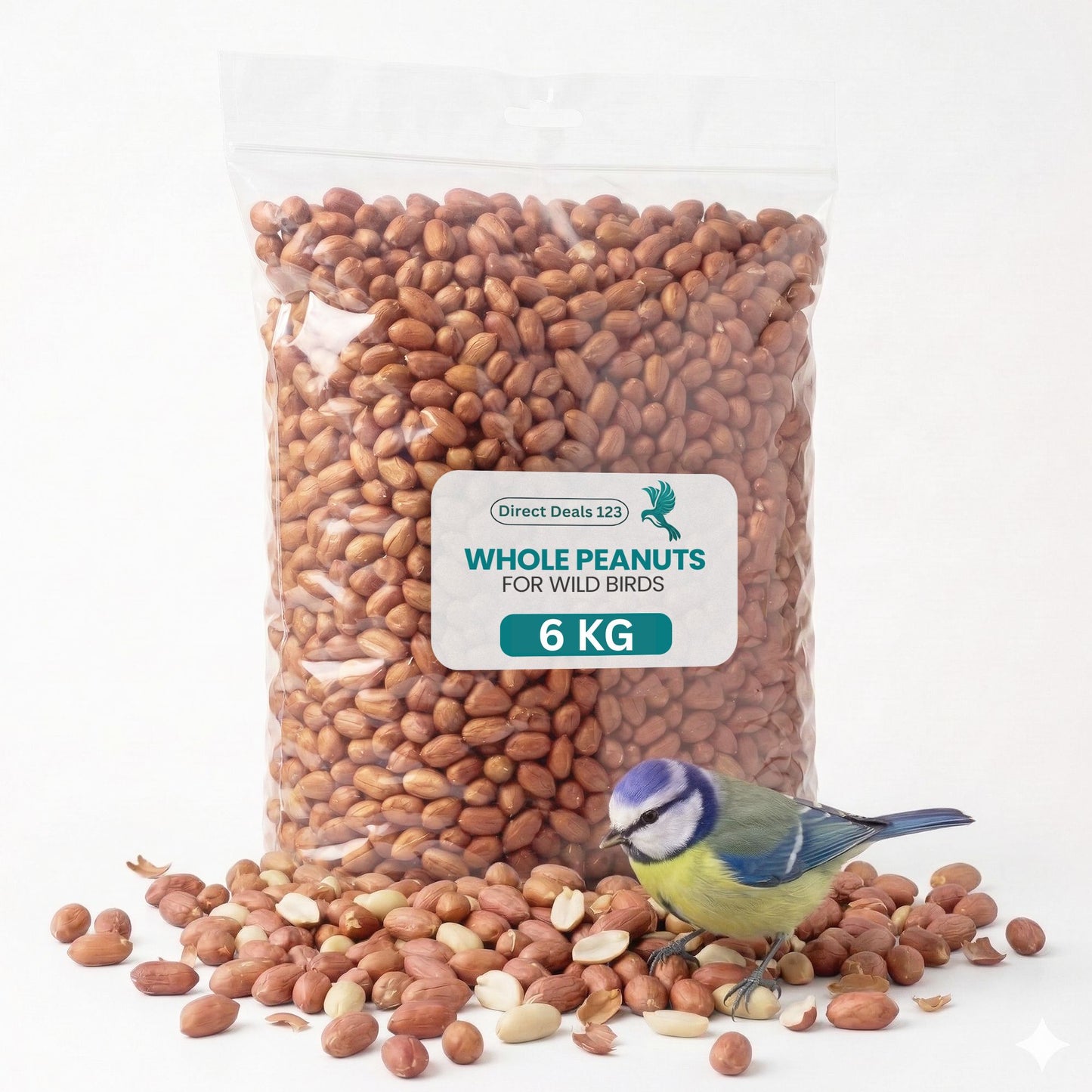
Direct Deals 123 Ultra-Premium Whole Peanuts: Advanced Avian Nutrition
Elevate your backyard conservation efforts with Direct Deals 123 Ultra-Premium Whole Peanuts. Engineered to meet the rigorous metabolic demands of wild avian populations, this triple-screened, zero-waste feed represents the gold standard in supplemental wildlife nutrition. By providing an immediate, high-efficiency source of dense lipids and essential amino acids, this formulation optimizes energy delivery for local birds while maintaining the pristine aesthetic of your outdoor space.
The Nutritional Advantage
Wild birds require high-calorie fuel to sustain their elevated metabolic rates, especially during critical periods such as thermal regulation in winter, spring nesting, and autumn migrations. Our whole, skin-on peanut kernels deliver a clean, calorie-dense profile that supports:
-
Optimal Feather Integrity: Rich in natural oils that contribute to water-resistant, healthy plumage.
-
Muscle & Tissue Repair: High protein content crucial for development and recovery.
-
Metabolic Efficiency: Pure, concentrated fat reserves that maximize stamina and survival rates.
Product Specifications & Features
-
Zero-Waste, No-Mess Formulation: Pre-shelled kernels ensure 100% consumption efficiency. Because there are no outer hulls to discard, your lawns, patios, and decks remain completely free of organic debris and subsequent mold growth.
-
Triple-A Quality Assurance: Completely raw, unsalted, and unadulterated. Free from artificial preservatives, processing chemicals, or flavorings, ensuring strict compliance with wildlife safety standards.
-
Target Species Attraction: Scientifically favored by highly desirable canopy and clinging birds, including Woodpeckers (Downy, Hairy, and Red-bellied), Nuthatches, Blue Jays, Northern Cardinals, and Tufted Titmice.
-
Feeder Optimization: Specifically graded for seamless flow in wire-mesh peanut cylinders, heavy-duty tube feeders, and open-architecture platform trays.
Professional Deployment Guideline
For peak avian engagement, position feeding stations approximately 10 to 12 feet from natural cover (such as trees or dense shrubbery) to provide visiting species with a secure foraging corridor. Maintain a consistent year-round feeding schedule to establish your habitat as a reliable regional sanctuary.
Shipping cost is based on weight. Just add products to your cart and use the Shipping Calculator to see the shipping price.
We want you to be 100% satisfied with your purchase. Items can be returned or exchanged within 30 days of delivery.